A dog bite that looked minor yesterday can become a serious problem today. Knowing how to tell if a dog bite is infected helps you decide when to get medical care, and it protects your right to recover the cost of that care. This post covers the general warning signs to watch for, when to seek help, and how Bakersfield bite victims recover treatment costs under California law.
Key Takeaways:
- A bite that looks minor can still turn serious, so the wound is worth watching over the first few days
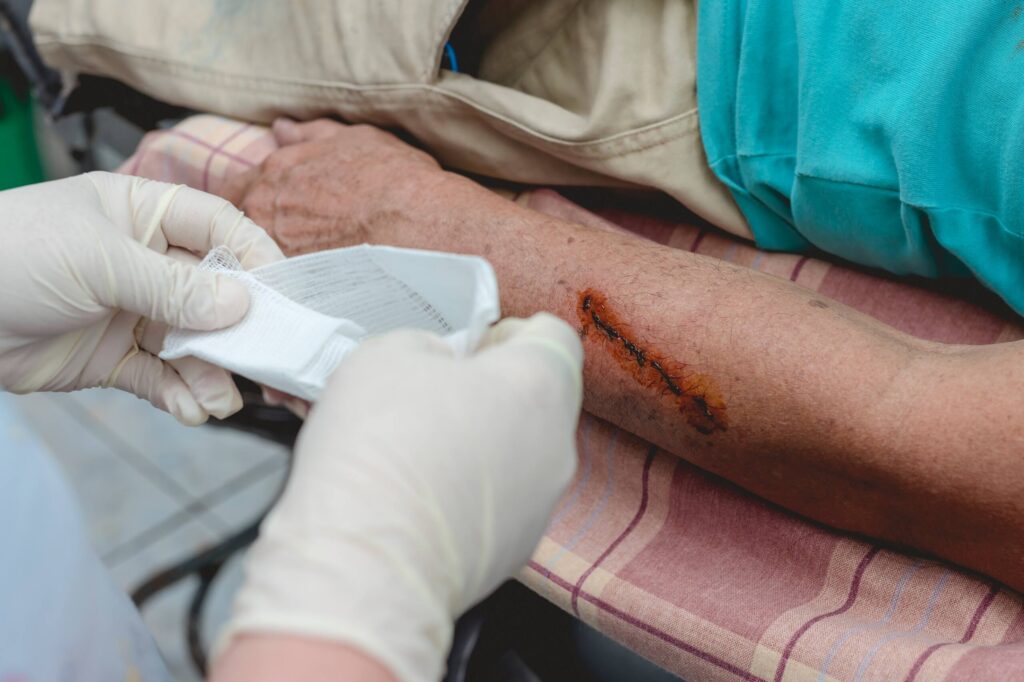
- Common warning signs of infection include spreading redness, swelling, worsening pain, drainage, and fever
- A wound that worsens day over day, instead of improving, is a reason to see a doctor promptly
- Reporting the bite to Kern County or Bakersfield animal control creates an official record and confirms the dog's status
- Under California's strict liability dog bite law, the cost of treating a bite infection can be part of an injury claim
Why Do Dog Bites Get Infected So Easily
A dog's mouth carries hundreds of types of bacteria, and a bite works like an injection. Canine teeth create deep, narrow punctures that drive bacteria far below the skin, and the small opening often seals over quickly. That traps the bacteria in warm, low-oxygen tissue where they multiply.
This is why a bite that barely bleeds can be more dangerous than a dramatic-looking cut. A shallow scrape stays open and easy to clean, while a puncture hides the damage underneath. Bites to the hands are especially risky because tendons, joints, and bones sit close to the surface, giving infection a fast path into structures that are hard to treat.
What Are the Signs a Dog Bite Is Infected?
The most common infected dog bite symptoms are redness that spreads beyond the wound, increasing pain, swelling, warmth, and drainage. Infections usually announce themselves within 24 to 72 hours of the bite, though some develop sooner. Watch for:
- Redness that expands outward from the bite instead of fading
- Skin around the wound that feels hot to the touch
- Swelling that increases after the first day
- Pain that gets worse instead of better
- Pus or cloudy fluid draining from the wound
- A fever of 100.4 degrees or higher
- Swollen or tender lymph nodes near the bite
- A general run-down, flu-like feeling
One or two mild symptoms on the first day can be part of normal healing, so the trend matters more than any single sign. A healing wound improves a little each day, and an infected one does the opposite. When people ask about a dog bite infection and how to know whether one is starting, that day-over-day comparison is the most reliable answer.
Parents should watch children's bites especially closely. A California Department of Public Health review of 15 years of emergency room visits found that children under 10 are treated for dog bites more often than any other age group, and they are more than three times as likely to be bitten on the head or face. Young children also struggle to describe symptoms like tingling or deep pain, so the adults around them have to do the watching.
When Should You Go to the Emergency Room for a Dog Bite?
Go to the ER right away if you see red streaks spreading from the wound, develop a high fever with chills, or notice numbness or loss of movement near the bite. Red streaks can signal an infection moving through the lymphatic system toward the bloodstream, and that is not a wait-until-morning situation. Bakersfield has several emergency departments, including the trauma center at Kern Medical, and an infected bite justifies using them.
Emergency care also makes sense in these situations:
- The bite is on your face, hands, feet, or genitals
- The wound is deep, gaping, or will not stop bleeding
- The dog's rabies vaccination status is unknown
- You have diabetes, liver disease, or a weakened immune system
- You have not had a tetanus shot in the last five years
- Symptoms are getting worse by the hour rather than by the day
If none of those apply but the wound still concerns you, urgent care or your regular doctor within 24 hours is a reasonable path. The California Department of Public Health recommends washing any bite with soap under running water for five minutes right after it happens, then having a medical professional evaluate anything that breaks the skin.
Which Infections Can Come From a Dog Bite?
Several bacteria and viruses cause dog bite infections, and a few are worth knowing by name. Pasteurella is the most common culprit, and it works quickly, often causing intense pain and swelling within the first day. Staph and strep bacteria cause many of the remaining infections, and both can become serious without treatment.
A rarer bacterium called Capnocytophaga lives in the mouths of most dogs, and while healthy people rarely get sick from it, the Centers for Disease Control and Prevention warns it can cause severe illness in people with weakened immune systems. Tetanus is a risk with any puncture wound, which is why doctors ask about your vaccination history.
Rabies is the most dangerous possibility, and it is almost always fatal once symptoms appear. The disease is preventable with prompt treatment after a bite, which is one reason reporting requirements exist. When the biting dog cannot be identified, or its vaccination records cannot be produced, doctors err on the side of preventive treatment.
How Do Doctors Treat an Infected Dog Bite?
Treatment depends on how far the infection has progressed, and this section describes what patients commonly experience rather than medical advice for your specific wound. For early infections, a doctor typically cleans the wound thoroughly and prescribes oral antibiotics. Bite wounds are often left open or loosely closed rather than tightly stitched, because sealing bacteria inside makes infection more likely.
More advanced infections can require intravenous antibiotics, and some patients are admitted to the hospital so the medication and the wound can be monitored. Deep infections sometimes need surgical cleaning, and infections that reach a joint, tendon, or bone can require weeks of treatment. Your doctor may also update your tetanus protection and, depending on the dog's vaccination status, begin the rabies prevention series.
All of that treatment generates real costs, from the first ER visit through follow-up appointments and prescriptions. Keep every bill, discharge summary, and receipt, because those records become the backbone of an injury claim.
What Should You Do Right After a Dog Bite in Bakersfield?
Wash the wound, get medical care, and report the bite. Those three steps protect your health first and your legal rights second. Here is the full sequence we recommend:
- Wash the bite with soap under running water for five minutes
- Cover it with a clean bandage and seek medical care the same day
- Get the dog owner's name, contact information, and the dog's vaccination records if possible
- Report the bite, using Kern County Animal Services for unincorporated areas like Oildale and Lamont, or Bakersfield's city animal control for bites inside city limits
- Photograph the wound when it happens and each day afterward, since infection often develops over time
- Watch for the warning signs covered above, and return to the doctor if any appear
Reporting matters more than most people realize, because it creates an official record and lets officials confirm the dog's rabies status. Daily photos matter too, since they document exactly how the infection developed and how long recovery took.
Can You Recover the Cost of Treating an Infected Dog Bite?
Yes, California law allows bite victims to recover the full cost of treating both the bite and any infection that follows from it. Under California Civil Code Section 3342, dog owners are strictly liable for bite injuries, which means you do not have to prove the owner was careless. The infection is part of the injury, so hospital stays, IV antibiotics, surgical cleaning, and follow-up care all belong in the claim.
Compensation can also cover income you lost while recovering, along with pain, suffering, scarring, and emotional distress connected to your physical injuries. Serious infections sometimes leave lasting damage to tendons or joints, and future treatment belongs in the claim as well.
The deadline to file a lawsuit is generally two years from the date of the bite under Code of Civil Procedure Section 335.1. Waiting also lets evidence fade, so it pays to talk with a Bakersfield dog bite accident lawyer while the records and witnesses are fresh.
FAQs: How to Tell if a Dog Bite Is Infected
Here are answers to questions Bakersfield bite victims often ask about infection and their rights.
How long after a dog bite does an infection show up?
Most infections appear within 24 to 72 hours, though Pasteurella infections can cause pain and swelling in less than a day. Some deeper infections, especially those involving bone, develop more slowly over a week or longer. Any worsening symptom after the first day is worth a call to your doctor.
Can a dog bite be infected without pus?
Yes, many infected bites never drain visible pus. Spreading redness, warmth, swelling, fever, and increasing pain can all signal infection on their own. Pus confirms infection, but its absence does not rule infection out.
Do all dog bites need antibiotics?
No, doctors decide based on the depth and location of the wound, your health history, and how the bite looks when they examine it. Bites to the hands and deep punctures are more likely to require preventive antibiotics. That judgment call is one more reason to have every bite evaluated instead of treating it at home.
Does an infection hurt my legal claim if I waited to see a doctor?
A delay does not destroy your claim, but insurers use treatment gaps to argue your injuries were minor or unrelated. Getting care as soon as symptoms appear protects your health and closes that argument down. Honest documentation of when symptoms started helps your lawyer connect the infection to the bite.
Who pays my medical bills while the claim is pending?
Your health insurance, if you have it, usually pays first, and the dog owner's insurer reimburses those costs in the settlement. For clients without coverage, we can connect you with medical providers and work out billing arrangements so you are not paying out of pocket during treatment. No one should skip care for an infected bite because of cost.
What if the dog that bit me was a stray?
Get medical care immediately, because an unknown vaccination status raises the rabies question, and report the bite so animal control can try to locate the dog. A claim is harder without an identifiable owner, but an investigation sometimes traces the dog to an owner or a property where it was kept. A lawyer can evaluate whether anyone can be held responsible.
Do Not Pay for Someone Else's Dog Out of Your Own Pocket
Every antibiotic refill, follow-up visit, and missed shift from an infected bite is a cost California law assigns to the dog's owner, not to you. If treatment bills are stacking up on your kitchen table, bring them to the Law Offices of Mickey Fine, and if you need care but cannot afford it, we can connect you with providers and arrange billing so nothing comes out of pocket now.
The consultation is free, Mickey Fine reviews it himself, and our fee comes only out of what we recover. Call (661) 333-3333 or reach us through our contact page before the next bill arrives.