California's dog bite law is one of the most victim-friendly in the country, and most people who get bitten have no idea how much it favors them. The state holds dog owners strictly liable for bites, which removes the biggest hurdle injured people face in other states. Working with experienced Bakersfield Dog Bite Lawyers, this guide breaks down what the California dog bite statute actually says, who it protects, and what it means for anyone bitten in Bakersfield or elsewhere in Kern County.
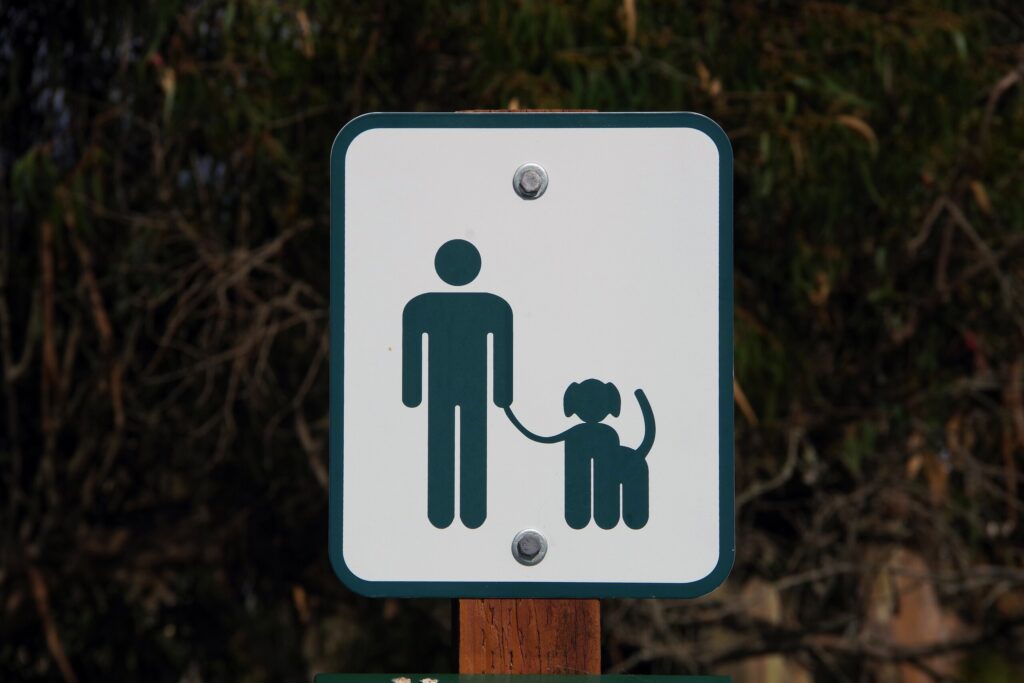
Key Takeaways:
- California Civil Code Section 3342 holds dog owners strictly liable for bites that happen in public places or while the victim is lawfully in a private place
- Victims do not need to prove the owner knew the dog was dangerous or failed to control it
- The statute covers bites only, and other dog-related injuries proceed under ordinary negligence law
- Narrow exceptions exist, including trespassers, working police dogs, and people paid to handle dogs
- Victims generally have two years from the bite to file a lawsuit in California
What Is California's Dog Bite Law?
The core of California dog bite law is Civil Code Section 3342, the state's strict liability dog bite statute. It makes an owner liable for damages whenever their dog bites someone in a public place or lawfully in a private place, including the owner's own property. Strict liability means the victim does not have to prove carelessness, only that the bite happened and caused harm.
A companion statute, Civil Code Section 3342.5, requires owners to take reasonable steps to prevent future bites. After a dog has bitten two people, prosecutors or animal control can ask a court to decide whether the animal is a danger to the community.
Strict Liability vs. the One Bite Rule
Many states follow some version of the one bite rule, which protects an owner until they have reason to know their dog is dangerous. In those states, the first victim often recovers nothing because the owner can claim the attack was unforeseeable. The California strict liability dog bite standard rejects that idea completely.
Here, the dog's history is irrelevant to liability. A first-time bite from a well-behaved family pet triggers the same responsibility as a bite from a dog with a long record of aggression. The history can still matter to the size of the claim, but never to whether the owner is on the hook.
Who Can and Cannot Use the Statute?
The statute protects nearly everyone, from guests in a home to people walking on a Bakersfield sidewalk, but a few groups fall outside it. The exceptions include:
- Trespassers who were not lawfully on private property when bitten
- People bitten by police or military dogs while doing official work
- Veterinarians, groomers, and kennel workers bitten while paid to handle dogs
- Injuries caused by something other than a bite, such as being knocked down
Falling outside the statute does not always mean recovering nothing. Non-bite injuries and claims against people other than the owner can proceed under Civil Code Section 1714, California's general negligence law, which requires proof that someone failed to use reasonable care.
What Compensation Does Dog Bite Liability Law in California Allow?
Victims can recover economic damages, such as medical bills, future care, and lost income, plus non-economic damages for pain, scarring, and emotional distress tied to their physical injuries. California places no cap on these damages in dog bite cases. Most claims are paid by the owner's homeowner's or renter's insurance rather than the owner personally.
One deadline controls everything: your lawsuit must be filed within two years of the bite under Code of Civil Procedure Section 335.1. Miss it, and even a perfect claim under the statute is gone.
Local Rules That Add to State Law
State law sets the floor, and Kern County adds its own layer. The county's animal ordinance requires dog owners and treating medical providers to report every bite, and Kern County Animal Services investigates reports from unincorporated communities like Oildale, Lamont, and Rosamond. Bites inside Bakersfield city limits go through the city's animal control division instead.
Reporting does more than create paperwork. It documents the attack for any future claim, confirms the dog's rabies vaccination status, and builds the record that dangerous-dog proceedings rely on if the animal attacks again.
Understand your legal rights and avoid missing strict statutory deadlines by reading our latest article on dog bite claim time limits.
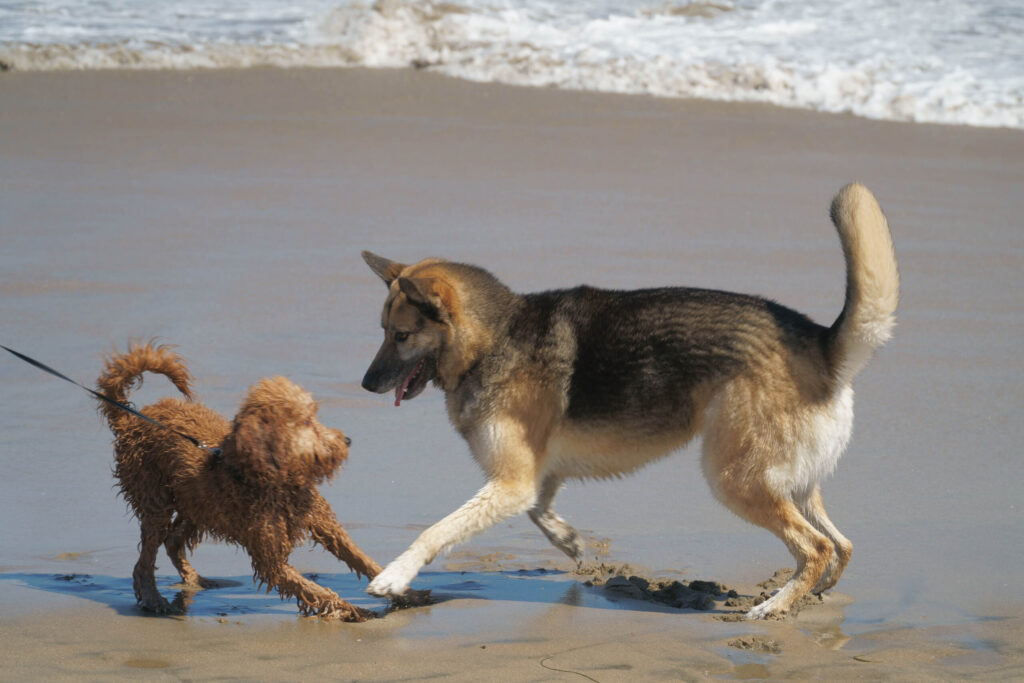
FAQs: California Dog Bite Law
Here are answers to questions bite victims commonly ask about how the statute works.
Does the statute cover animals other than dogs?
No, Section 3342 applies only to dog bites. Injuries from cats, horses, or exotic pets proceed under negligence law, which requires proof that the owner knew of the danger or failed to use reasonable care. The distinction changes how the case is built, not whether a case exists.
Is a dog sitter or dog walker liable under the statute?
The statute applies to owners only, so a sitter, walker, or other keeper is not strictly liable. A keeper who acted carelessly, such as by letting an aggressive dog off leash, can still be sued for negligence. Claims sometimes name both the owner under the statute and the keeper under negligence.
Can a dog owner face criminal charges for a bite?
Yes, in limited situations. Under Penal Code Section 399, an owner who knows their dog is vicious and fails to control it can be charged with a crime if the dog seriously injures or kills someone. Criminal charges are separate from the victim's civil claim for compensation.
Does provocation destroy a victim's claim?
No, provocation reduces recovery under California's comparative fault system rather than eliminating it. A jury assigns each side a percentage of responsibility, and the victim's compensation shrinks by their share. Insurers often stretch the definition of provocation, so the facts matter.
Do victims have to go to court to recover compensation?
Usually not, because most dog bite claims settle with the owner's insurance company before a lawsuit is filed. Filing suit becomes necessary when the insurer disputes the claim or refuses to pay fair value. Even then, the majority of filed cases settle before trial.
Does the law treat children differently?
Children are protected by the same statute, and courts are especially reluctant to blame young children for provoking a dog. Settlements for minors require court approval, and the filing deadline is paused until the child turns 18. Children are also the most common victims, which is part of why the law is so protective.
Put California's Strict Liability Law to Work on Your Claim
You just read what the statute gives you: liability without proving fault, no one free bite, and no cap on your damages. Many bite victims never learn how much the law favors them, and never act on it. One call to the Law Offices of Mickey Fine turns a strong dog bite law into a demand the owner's insurer has to answer.
Dial (661) 333-3333 or reach us through our contact page for a free case evaluation with Mickey Fine himself. If we do not win, you owe us nothing.