Insurance adjusters move fast on left-turn crashes, and the fast move is almost always the same: blame the driver who turned. California law does lean that direction, but it doesn't end the conversation. Who is liable when t-boned while turning left depends on facts an adjuster's first call rarely covers.
Key Takeaways
- California Vehicle Code 21801 requires a left-turning driver to yield to oncoming traffic close enough to be a hazard, creating a presumption of fault against the turning driver.
- That presumption is rebuttable. Speeding, a red-light violation, or an illegal maneuver by the oncoming driver can shift fault.
- California's pure comparative negligence rule allows fault to be split between both drivers based on the evidence.
- A defective traffic signal can shift partial responsibility to a government entity, which carries its own six-month claim deadline.
The Presumption Against the Left-Turning Driver
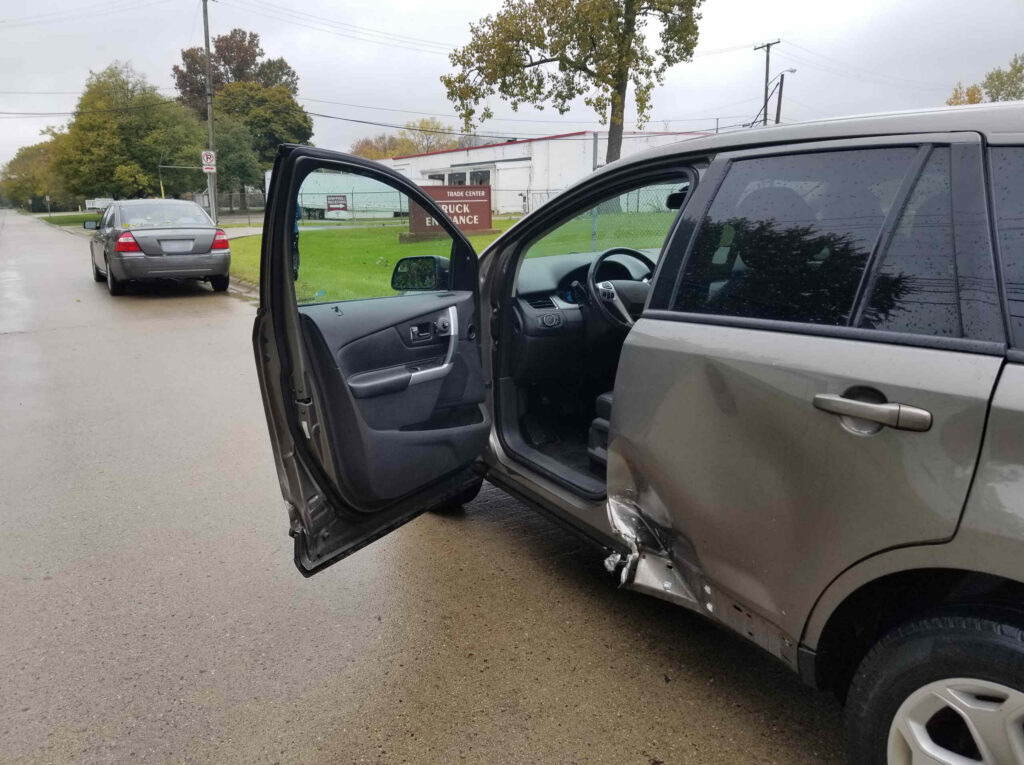
Left-turn cases start from a legal default, and understanding it is the first step in either building or defending a claim.
What Vehicle Code 21801 Requires
Under California Vehicle Code 21801, a driver turning left must yield to any vehicle approaching from the opposite direction close enough to constitute a hazard, and must keep yielding until the turn can be completed safely. The statute puts the judgment call on the turning driver, not the driver going straight.
Left turn t-bone accident liability California cases almost always start here, since a citation under this code section can establish negligence per se, meaning the violation stands in for proof that the driver acted unreasonably.
Why a T-Bone Impact Makes This Presumption Stronger
A T-bone collision is the physical signature of a failed left turn. The turning vehicle is broadside to oncoming traffic at the moment of impact, which investigators read as confirmation the turn started before the gap in traffic was actually safe. Insurers lean on this pattern heavily, often answering who is liable when t-boned while turning left before reviewing signal timing, speed data, or witness accounts.
When Fault Shifts Away From the Turning Driver
The presumption under CVC 21801 is a starting point, not a verdict, and several scenarios push liability back toward the driver going straight.
When Fault for a Left-Turn T-Bone Shifts to the Speeding Driver
A left-turning driver only has to judge hazards a reasonable driver could actually perceive. If the oncoming vehicle was traveling well above the speed limit, it may not have registered as a hazard in the normal judgment window, which can shift fault.
The same applies if the oncoming vehicle entered the intersection after the light had already turned red, since that driver had no right-of-way to begin with.
When the Intersection or Signal Itself Was the Problem
Unprotected left turns at busy Bakersfield arterials, including stretches of White Lane, Real Road, and Golden State Avenue, create tight decision windows even for cautious drivers. If a malfunctioning signal or poor intersection design contributed to the crash, a city or county entity may share responsibility alongside the drivers.
Claims against a government entity carry a strict six-month filing deadline under Government Code section 911.2, far shorter than the two-year deadline that Code of Civil Procedure section 335.1 sets for a typical injury claim.
What to Do at the Scene of a Bakersfield T-Bone Crash
The presumption favors the straight-through driver, but evidence gathered in the first hours after a crash decides whether that presumption holds up.
Evidence That Determines Who Is Liable When T-Boned While Turning Left
Photograph the point of impact, the resting position of both vehicles, and the traffic signal if one controlled the intersection. Skid marks, debris fields, and damage patterns often show whether the straight-through driver had time to react, which speaks to speed and reaction time. Witness statements gathered before memories fade carry more weight than accounts reconstructed weeks later.
Why Comparative Negligence Still Matters
California's pure comparative negligence rule means a jury can assign a percentage of fault to each driver rather than an all-or-nothing outcome. A left-turning driver found 80 percent at fault because the oncoming car was speeding can still recover 20 percent of damages. The goal after a T-bone crash isn't proving total innocence. It's building the fullest picture of what each driver actually did.
T-Bone Left-Turn Questions Answered by Our Bakersfield Attorneys
Who is at fault turning left t-bone when both drivers had a green light?
This typically means one driver ran a stale yellow or misjudged the signal cycle. Signal timing records and intersection camera footage, where available, often resolve these disputes more reliably than driver accounts alone.
Can t-boned while turning left fault change after the police report is filed?
Yes. A police report reflects the responding officer's initial assessment, not a final legal determination. New evidence, an independent investigation, or accident reconstruction can shift the fault percentage well after the report is written.
How does California's comparative negligence rule affect a left-turn T-bone claim?
California splits fault by percentage, so a left-turning driver can still recover even when partly to blame. If the oncoming driver was speeding, you might be assigned, for example, 70 percent of the fault and still recover 30 percent of your damages.
Is the driver going straight ever at fault in a left-turn T-bone crash?
A: Yes. If the straight-through driver was speeding, ran a red light, or entered the intersection unlawfully, fault can shift substantially or entirely to that driver.
Does a police citation for failing to yield automatically decide the case?
No. A citation under CVC 21801 is strong evidence, but insurers and courts still weigh speed, signal timing, and witness accounts before finalizing fault. A citation helps, but it doesn't end the investigation.
What if I was turning left and couldn't have seen the other car coming?
Sightline obstructions, whether from parked trucks, landscaping, or intersection design, are relevant to whether the hazard was reasonably visible. This can support a comparative negligence argument even when a citation was issued.
Proving Who Had the Right of Way
A left-turn T-bone case rarely comes down to one clean fact. Who is liable when t-boned while turning left comes down to speed, timing, sightlines, and signal data pieced together before evidence disappears.
Mickey Fine has spent more than thirty years on both sides of these intersection cases, first as a Bakersfield car accident lawyer, now as a trial attorney representing injured drivers across Kern County, and he personally handles every case at our office.
If you were hurt in a left-turn T-bone crash on a Bakersfield road, call the Law Offices of Mickey Fine at (661) 333-3333 for a free consultation. We work on contingency, so you pay nothing unless we win.