In a collision between a passenger car and a massive commercial truck on the I-5, the laws of physics are unforgiving. The story of the crash is written in the bent metal and shattered glass. But another, more precise story is written in ones and zeros, stored securely within the truck’s cab. This digital account, captured by the vehicle’s Event Data Recorder (EDR), can answer the most critical questions about the moments before impact—questions a seasoned truck accident lawyer knows are often central to proving fault.
For anyone injured in a Bakersfield truck wreck, understanding the role of black box (EDR) data in truck accident claims is essential, as this information often provides the undeniable proof needed to secure the compensation you deserve. This data provides a clear, factual timeline of the truck’s actions leading up to the crash.
Key Takeaways about Black Box (EDR) Data in a Truck Accident Claim
- An Event Data Recorder (EDR), or "black box," is a device in commercial trucks that records technical vehicle and occupant information just before and during a crash.
- Federal regulations require most large commercial trucks manufactured after a certain date to be equipped with EDRs.
- The data captured by an EDR, such as speed, brake usage, and steering, provides objective evidence that can establish fault in an accident.
- This data is not stored indefinitely and can be overwritten or destroyed, making swift legal action to preserve it essential.
- EDR data is a critical piece of evidence that, when combined with other information, helps create a comprehensive picture of how a truck accident occurred.
What is a Truck's Black Box or Event Data Recorder (EDR)?

Think of an EDR as being similar to a flight data recorder on an airplane. Its job is to capture and store crucial data about a vehicle's performance, especially during an event like a sudden stop or a collision. It doesn’t record conversations or video, but it does paint a detailed, second-by-second picture of the truck’s actions.
The federal government recognizes how valuable this information is for safety and accountability. The Federal Motor Carrier Safety Administration (FMCSA) has rules in place that mandate electronic logging devices, which often integrate EDR functions, for most commercial trucks operating in the United States. This means that the truck involved in a collision in Kern County was very likely equipped with one of these devices. The EDR is designed to trigger and save data when it senses a crash-level event, such as a rapid change in velocity.
What Kind of Data Does a Truck's Black Box Record?
The specific information an EDR captures can vary slightly by the truck's manufacturer, but most record a standard set of data points that are incredibly useful for accident reconstruction. This data provides a timeline of the driver’s actions and the truck's response.
- Vehicle Speed: The EDR shows the truck's speed in the moments before impact. This can instantly confirm or deny if the driver was speeding, a common factor in serious accidents.
- Brake Application: The data reveals if, when, and how forcefully the driver applied the brakes. A lack of braking could suggest an inattentive or distracted driver.
- Throttle Position: This shows how much the driver was pushing the accelerator, which can provide context to the truck's speed and the driver's intent.
- Steering Wheel Angle: The EDR can record steering inputs, showing whether the driver attempted to take evasive action to avoid the collision.
- Cruise Control Status: Knowing if the cruise control was engaged can be relevant, especially in situations where a driver might have been less attentive.
- Seatbelt Status: The recorder notes whether the driver’s seatbelt was fastened, which can be pertinent to the case.
This objective data is powerful because it is not based on memory or biased perspectives. It is a digital record of facts that can help piece together the puzzle of a complex truck accident.
How EDR Data Strengthens a Truck Accident Claim in Bakersfield
After a serious truck accident on a busy route like Highway 58, the evidence from an EDR can be the key to establishing negligence. In legal terms, negligence means that someone failed to act with reasonable care, and this failure caused injury or harm to another person. Proving negligence is the foundation of any personal injury claim.
The data from a truck's black box provides direct evidence that can demonstrate a truck driver's or trucking company's negligence. For example, if a truck driver claims they were driving at a safe speed but the EDR shows they were 15 miles per hour over the limit, that data provides hard proof of reckless behavior. Similarly, if the data shows no braking before a rear-end collision, it strongly suggests the driver was not paying attention to the road ahead.
This information is particularly vital in Kern County, where a mix of commercial trucking traffic from agriculture and oil industries shares the roads with passenger vehicles. The high stakes of these accidents mean that clear, indisputable evidence is essential for a fair outcome.
Using EDR Data to Establish Liability
Liability is the legal term for responsibility. In a truck accident, determining liability can be complicated. It might not just be the driver who is responsible. The trucking company could also be held liable for its actions or inactions.
EDR data can help uncover patterns that point to company-wide issues. For instance, if data from multiple trucks in a fleet shows a pattern of speeding or violating hours-of-service rules, it could indicate that the company encourages or tolerates unsafe practices to meet deadlines. This could make the company, not just the driver, legally responsible for the injuries and damages caused.
The Critical Window: Preserving Black Box (EDR) Data
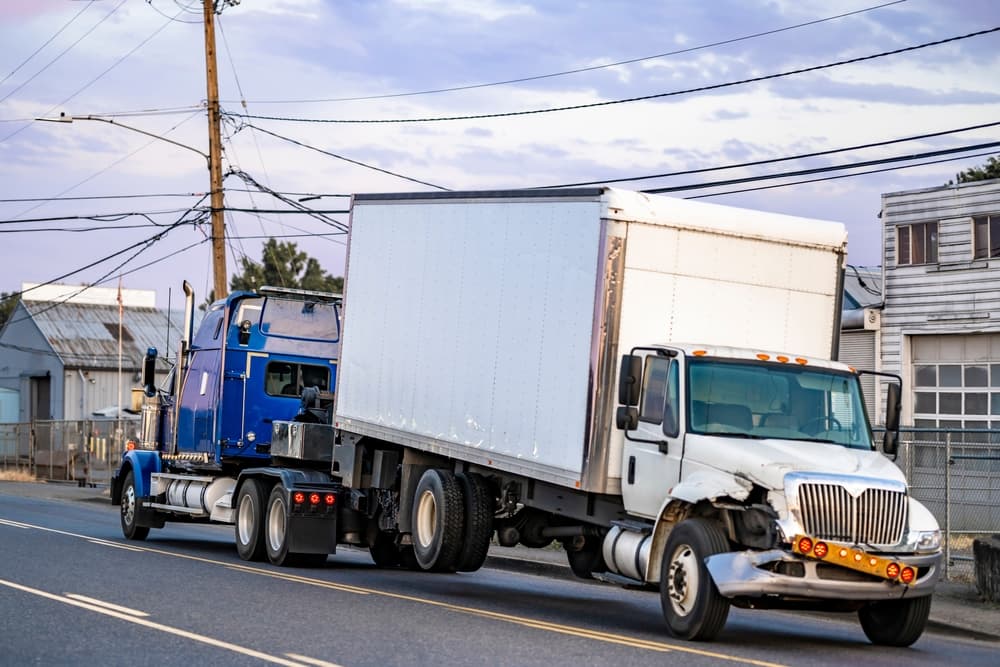
One of the most urgent aspects of black box (EDR) data in truck accident claims is its preservation. This evidence is not permanent. Depending on the system, the data can be recorded over after a certain period or if the truck is put back into service. In some cases, a trucking company might even try to destroy or "lose" the data if they believe it will prove their fault.
Because this digital evidence is so fragile, time is of the essence. Waiting too long to act can mean losing the single most important piece of evidence in your case. The moments and days following an accident are a critical window for taking steps to protect this information. It is essential that the trucking company is put on formal notice not to erase, destroy, or alter any potential evidence related to the crash, especially the EDR data.
Sending a Spoliation Letter
The primary legal tool used to preserve this data is called a spoliation letter. This is not just a simple request; it is a formal legal document sent to the trucking company and its insurance provider, demanding that they preserve all relevant evidence.
Sending this letter has several important effects:
- Creates a Legal Duty: It legally obligates the company to save the EDR data, driver logs, maintenance records, and other crucial evidence.
- Prevents Destruction: It warns them against tampering with or destroying the evidence, an act known as spoliation of evidence.
- Carries Consequences: If a company destroys evidence after receiving a spoliation letter, they can face serious legal penalties, and a court may instruct a jury to assume the destroyed evidence was unfavorable to them.
An experienced truck accident lawyer can identify the correct parties and dispatch a spoliation letter immediately, ensuring this vital digital evidence is protected while you focus on your recovery.
Challenges in Obtaining and Analyzing Black Box Data
Even after a spoliation letter is sent, getting and using the EDR data is not always straightforward. Trucking companies and their insurers are often aware of how damaging this information can be to their defense, and they may create roadblocks to prevent you from accessing it.
Some common challenges include:
- Technical Requirements: Downloading the data requires specialized equipment and software that only trained professionals have. An attorney can work with accident reconstructionists who have the right tools and expertise.
- Company Resistance: The company may delay, claim the EDR was broken, or use other tactics to avoid turning over the information. A court order may be necessary to compel them to produce the data.
- Data Interpretation: The raw data from an EDR is a complex stream of numbers and codes. It requires a forensic expert to analyze it properly and translate it into a clear, understandable report that shows what happened.
A knowledgeable legal representative will anticipate these challenges and have a network of professionals ready to assist in securing, downloading, and interpreting the black box data correctly.
Connecting EDR Data with Other Evidence in Your Kern County Claim
While EDR data is incredibly powerful, it is rarely the only piece of evidence used in a truck accident claim. Instead, it serves as the cornerstone that supports and validates other information, creating a strong and convincing case. The data helps tell a complete story of the collision.
An effective claim integrates EDR findings with various other sources of evidence, including:
- The official accident report from the Bakersfield Police Department or California Highway Patrol (CHP).
- Testimony from anyone who witnessed the accident.
- Photographs and video footage of the accident scene, vehicle damage, and injuries.
- The truck driver’s employment history, training records, and driving logs.
- The truck’s maintenance and inspection records.
- Information from the truck’s GPS and any dashboard cameras.
When the EDR data confirms that a truck was speeding, and that finding is supported by witness statements and the physical evidence at the scene, the case becomes significantly stronger. This comprehensive approach ensures that every angle is covered in the pursuit of holding the negligent parties accountable.
FAQs for Black Box (EDR) Data in Truck Accident Claims
Here are some common questions people have about the role of black box data in truck accident cases.
How long does a truck's EDR store data?
The storage capacity of an EDR is limited. Data from a crash event is typically saved, but if the truck is driven again, new data can eventually overwrite the old data. This is why it is so important to act quickly to have the data preserved and downloaded before it is lost forever.
Can a trucking company refuse to provide the black box data?
A trucking company may initially resist, but they cannot legally refuse to provide the data if it is properly requested as part of a legal claim. A spoliation letter establishes their duty to preserve it, and if they still refuse, a court can issue a subpoena or order compelling them to produce it.
What if the truck in my accident was old and didn't have a black box?
While most modern commercial trucks have EDRs, some older models may not. In these cases, other evidence becomes even more critical. An investigation would focus more heavily on driver logs, maintenance records, witness statements, and analysis of the physical evidence from the crash scene by an accident reconstructionist.
Does the EDR record audio or video?
No, a standard EDR does not record audio from the cab or video footage. Its sole purpose is to record technical data about the vehicle's operation. However, many trucking companies now use separate dashboard cameras (dash cams) that do record video, and preserving that footage is also a key step in an investigation.
Is black box data the only thing needed to win my case?
While it is extremely powerful evidence, EDR data is one part of a larger case. A successful claim depends on using the EDR data in conjunction with all other available evidence to build a clear and compelling narrative of how the accident happened and who was at fault.
Let the Law Offices of Mickey Fine Fight for You

Dealing with the consequences of a truck accident in Bakersfield can feel like an uphill battle. While you focus on healing, the trucking company and its insurance carrier are already working to protect their interests. Having a dedicated advocate on your side can make all the difference.
At the Law Offices of Mickey Fine, we have over 30 years of experience helping people in Kern County who have been injured by the negligence of others. We understand the complexities of black box (EDR) data in truck accident claims and know how to take immediate action to preserve this vital evidence. We work with a team of investigators and reconstruction experts to build the strongest possible case for you.
You don’t have to face this difficult time by yourself. Contact the Law Offices of Mickey Fine today for a free, no-obligation consultation. We work on a contingency fee basis, which means you pay no fees unless we win your case.