Picture the same driver twice in one evening. At 6:40 p.m., he idles near Meadows Field Airport with the app open, waiting for a request, and by 7:05 p.m., he has a passenger in the back seat on Airport Drive. The answer to Uber vs. Lyft insurance after an accident shifts between those two moments, and available coverage can jump by hundreds of thousands of dollars.
At the Law Offices of Mickey Fine, we see injured people stuck between a driver's personal insurer and a rideshare company's carrier, each pointing at the other. This guide explains who pays, when coverage changes, and why a few minutes of app data often decide the outcome.
Key Takeaways
- California law sets the same minimum insurance requirements for Uber and Lyft.
- Coverage depends on the driver's app status at the time of the crash, which falls into one of several insurance periods.
- Personal auto insurers in California may exclude coverage while a driver is logged into a rideshare app.
- Pedestrians, cyclists, and other motorists hurt by a rideshare driver can look to the same policies that protect passengers.
Uber vs. Lyft Insurance: Same Rules, Different Claims Teams
Many people expect one company to offer stronger protection than the other. In California, both operate as transportation network companies (the legal term for app-based ride services), and Public Utilities Code § 5433 sets the minimum coverage each must carry.
The real difference shows up after the crash. Each company works with its own insurance carrier, and those adjusters handle evidence and settlement talks in their own way, which is why many injured people speak with a lawyer before giving a recorded statement.
What Are the Uber Lyft Insurance Periods?
The Uber Lyft insurance periods are stages based on what the driver's app shows, and each stage carries its own coverage level. The industry numbers them zero through three:
| Driver's app status | Minimum coverage under California law |
|---|---|
| App off | Driver's personal auto policy only |
| App on, waiting for a request | $50,000 per person and $100,000 per accident for injuries, $30,000 for property damage, plus $200,000 in excess coverage |
| Request accepted, heading to pickup | $1 million in liability coverage |
| Passenger in the vehicle | $1 million in liability coverage |
Liability coverage pays for harm the driver causes to others, while excess coverage adds a second layer once the first one runs out. The two highest tiers also include uninsured and underinsured motorist protection, which state law now sets at $60,000 per person and $300,000 per incident.
Who Pays After a Rideshare Accident When the Driver Was Between Rides?
The driver's personal insurer often hears the claim first, but it may refuse, and the rideshare company's policy then has to step in. Insurance Code § 11580.24 allows personal auto insurers to exclude coverage while a driver is logged into a rideshare app.
This waiting period produces the most disputes, because lower limits apply and each insurer may blame the other. Drivers circling downtown near Mechanics Bank Arena on a concert night or parked along 19th Street waiting for a ping fall into this gray zone, so login records and GPS data become central evidence.
How Does Uber Lyft Insurance Coverage Work for Pedestrians, Cyclists, and Other Drivers?
The same coverage tiers apply whether you rode in the rideshare vehicle or got hit by it. A cyclist struck near a Kern River Parkway crossing or a student hit in a crosswalk by Bakersfield College on Mount Vernon Avenue may draw from several sources:
- The rideshare driver's liability coverage, at the level tied to their app status
- Medical payments coverage on your own auto policy, if you carry it
- Your own uninsured motorist coverage when the at-fault driver lacked enough insurance
If a different motorist caused the crash, that driver's insurer typically pays first, and Vehicle Code § 16056 now requires only $30,000 per person in bodily injury coverage.
When Two Insurers Point at Each Other
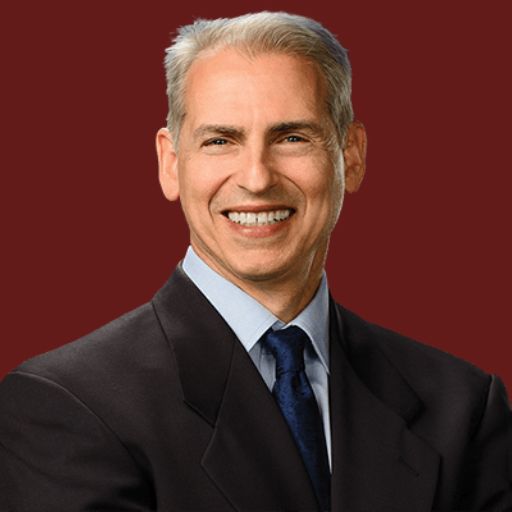
Mickey Fine worked as an insurance defense attorney before representing injured people, so he knows how carriers build the argument that coverage belongs to someone else. That perspective helps us request trip logs, login times, and location data quickly, before a coverage fight drags on.
He has practiced law for more than 30 years, including time as a volunteer prosecutor. Clients work with Mickey directly, and their cases are never handed off to associates or paralegals.
FAQs: Uber vs. Lyft Insurance Accident Claims
Bakersfield riders, drivers, and pedestrians often ask these questions after a rideshare crash.
Do I have to report a rideshare crash to the California DMV?
A driver in a rideshare crash must file an SR-1 report with the DMV within 10 days when anyone is hurt or property damage tops $1,000, under Vehicle Code § 16000. This duty applies even if police already filed a report.
How long does an insurer have to respond to my claim?
California regulations generally require an insurer to accept or deny a claim within 40 days of receiving proof of it. Unreasonable delays can count as unfair claims practices under Insurance Code § 790.03.
Does the $1 million policy still apply after a passenger gets out?
The $1 million rideshare policy lasts until the driver completes the trip in the app or the ride ends, whichever happens later. Once the trip closes, coverage drops back to the waiting-period limits if the app stays on.
Does rideshare insurance pay for damage to my car?
Rideshare insurance pays for damage to your car when the rideshare driver caused the crash. Its liability limits cover repairs and rental costs along with injuries.
What if the driver who hit me fled the scene?
Uninsured motorist coverage generally treats a hit-and-run driver as uninsured. Under Insurance Code § 11580.2, though, the claim usually requires physical contact and a police report within 24 hours.
Get Help Sorting Out Uber vs. Lyft Insurance After a Bakersfield Crash
Refereeing a dispute between two insurance companies should not fall on you while you recover from your injuries. Mickey Fine can step between you and the adjusters, pin down the driver's status, and give you a straight answer about which policy applies.
Call the Law Offices of Mickey Fine at (661) 333-3333 to talk through your Bakersfield rideshare crash with the lawyer who would handle it. The first conversation costs nothing, and we collect no fee unless your case produces a recovery.