There’s a deep sense of injustice when a driver causes a crash and then flees, leaving you to deal with the consequences alone. While you can’t control their irresponsible actions, you can take control of what happens next—and a car accident lawyer can help you understand your options during this stressful time.
For anyone involved in a hit-and-run in Bakersfield, knowing the correct actions to take is key to holding the responsible party accountable and securing the compensation you need. Your path to recovery begins with a few crucial steps designed to safeguard your well-being and your rights.
Key Takeaways about What to Do After a Hit-and-Run Accident in Bakersfield
- A person's first priority after any accident, including a hit-and-run, is to check for injuries and move to a safe location.
- Reporting the incident to the Bakersfield Police Department or Kern County Sheriff's Office is a critical step for documentation and investigation.
- Gathering evidence from the car accident, such as photographs, witness information, and a description of the fleeing vehicle, is vital for any future claims.
- Uninsured Motorist (UM) coverage is a type of auto insurance that can help cover damages when the at-fault driver is unidentified or uninsured.
- California law has specific time limits, known as statutes of limitations, for filing personal injury claims.
- Compensation for emotional distress is typically available only when it is linked to a physical injury sustained in the accident.
Your First Priority: Safety and Information Gathering at the Scene
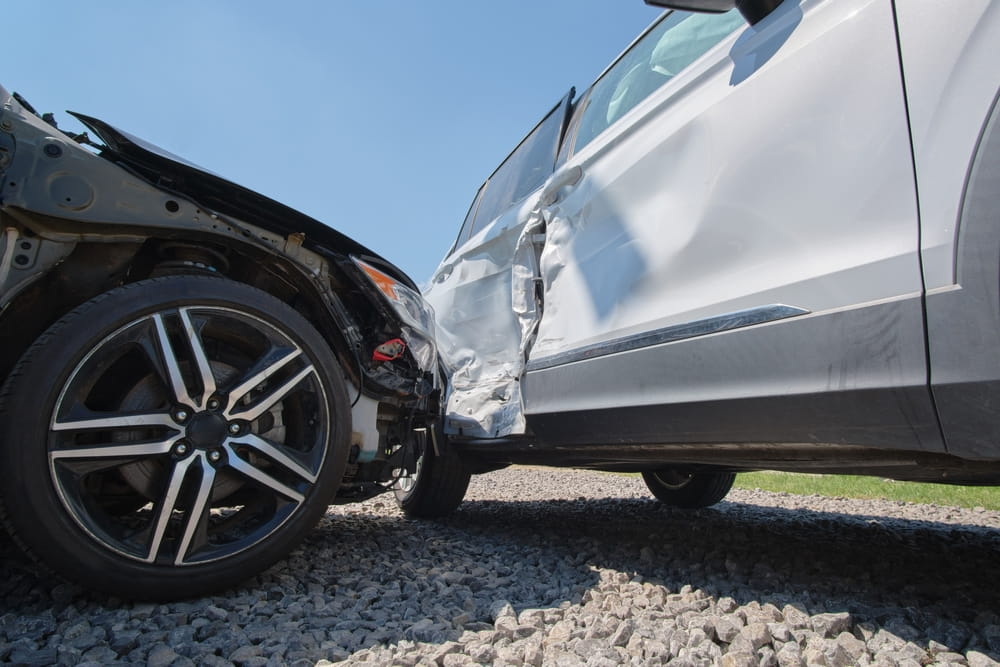
The moments after a hit-and-run collision can be chaotic. Your primary concern should always be your health and safety. If you are able and it is safe to do so, try to move your vehicle out of traffic, perhaps to the shoulder of Highway 99 or a nearby side street, to prevent further accidents.
Once you are in a safer location, take a moment to assess yourself and any passengers for injuries. Even if you feel fine, adrenaline can mask pain. It’s wise to seek a medical evaluation soon after any car crash. Call 911 immediately to report the accident and request medical assistance if needed. While you wait, if your condition permits, try to recall and jot down any details about the car that fled the scene.
- Vehicle Description: What was the make, model, and color of the car? Was it a sedan, truck, or SUV?
- License Plate: Did you get a full or partial license plate number? Even a few characters can be helpful for the police.
- Driver Description: Could you see the driver? Note any details you can remember about their appearance.
- Damage to Their Vehicle: Did you notice any specific damage on the other car, like a broken taillight or a dented bumper?
These details, even if they seem minor, can provide law enforcement with crucial leads to identify and locate the person responsible.
What to Do When You’re Safely Home: Reporting the Hit-and-Run
After addressing any immediate medical needs and returning home, your next step is to formally document the incident. Filing an official police report is not just a formality; it is an essential piece of evidence for your insurance claim and any potential legal action. You should contact the Bakersfield Police Department or, if the accident occurred outside city limits, the Kern County Sheriff's Office to file a report as soon as possible.
When you speak with the officer, provide them with all the information you gathered at the scene. Be as detailed and accurate as you can. The police report creates an official record of the event, which your insurance company will require. By law, drivers in California are legally required to stop and exchange information after an accident involving property damage. Fleeing the scene is a crime. By filing a report, you initiate the legal process and help hold the responsible driver accountable.
Documenting Everything: Building a Record of the Incident
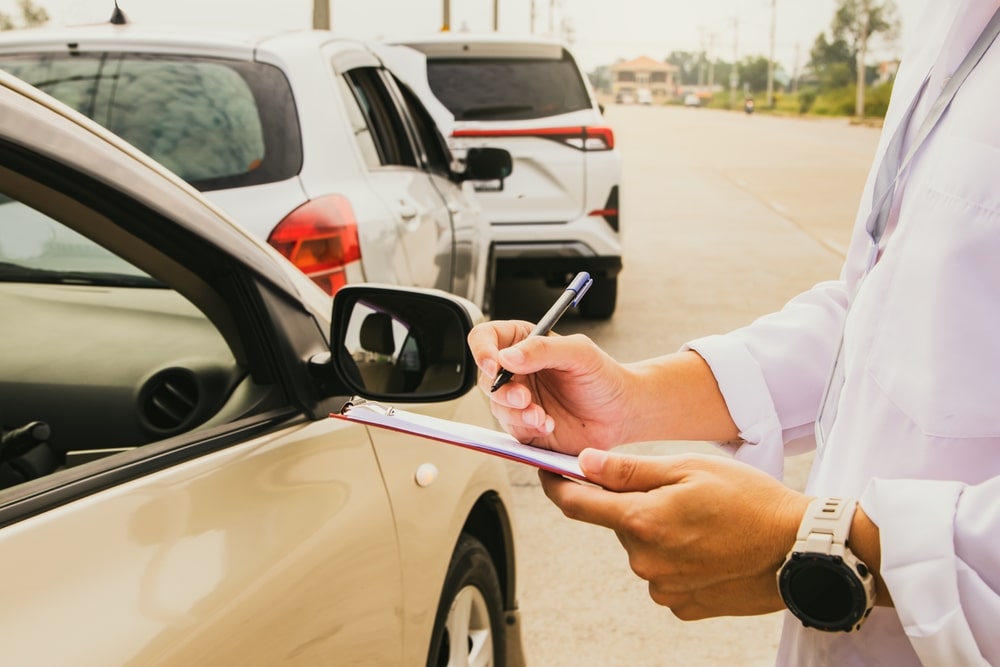
Strong documentation is a powerful tool. While memories can fade, physical evidence provides a clear and lasting record of what happened and the harm it caused. Use your smartphone to capture as much as you can.
Here are some key things to document:
- Photos of the Scene: Take pictures of the accident location, including any skid marks, debris, and traffic signs. If it happened at an intersection like Ming Avenue and Gosford Road, capture the layout of the intersection.
- Photos of Your Vehicle: Photograph the damage to your car from multiple angles, both close-up and from a distance.
- Photos of Your Injuries: If you have visible injuries like cuts, bruises, or scrapes, take clear pictures of them.
- Witness Information: If anyone stopped to help, get their name and phone number. Their account of what happened can be incredibly valuable.
- A Personal Journal: Write down everything you remember about the accident itself. In the days and weeks that follow, keep a record of your medical appointments, pain levels, and how the injuries are affecting your daily life.
This collection of evidence provides a comprehensive picture of the incident and its impact on you, which is fundamental for dealing with insurance companies.
Understanding Your Insurance Options in a Bakersfield Hit-and-Run
A common question after a hit-and-run is, "Who will pay for my damages if the other driver is never found?" This is where your own auto insurance policy comes into play, specifically a part of your coverage called Uninsured Motorist (UM) coverage.
In California, insurance companies are required to offer this coverage, though you can decline it in writing. If you have it, it can be a lifeline.
What is Uninsured Motorist (UM) Coverage?
Uninsured Motorist coverage is designed to protect you when you are injured by a driver who either has no insurance or cannot be identified, as in a hit-and-run. It allows you to file a claim with your own insurance company to cover the costs you would have otherwise claimed from the at-fault driver's policy.
UM coverage can typically help pay for:
- Medical Expenses: This includes emergency room visits, doctor's appointments, physical therapy, and any future medical care related to your injuries.
- Lost Wages: If your injuries prevent you from working, UM coverage can help compensate you for the income you've lost.
- Pain and Suffering: This covers the non-economic impact of the accident, such as physical pain, discomfort, and emotional distress.
It is important to review your insurance policy to understand the limits of your UM coverage. Reporting the accident to your insurance provider promptly is a crucial step in starting this process.
The Legal Side of a Hit-and-Run in California
California law takes hit-and-run accidents very seriously. As noted earlier, fleeing the scene of an accident is illegal. The severity of the charge depends on whether someone was injured.
- Property Damage Only: If the accident only resulted in property damage, leaving the scene is typically a misdemeanor.
- Injury or Death: If someone was injured or killed, the driver who fled could face felony charges, which can lead to significant fines and prison time.
From a civil perspective—meaning your right to seek financial compensation—California has a "statute of limitations." This is a legal term for the deadline you have to file a lawsuit. For a personal injury claim in California, you generally have two years from the date of the injury to file. For a property damage claim, the deadline is typically three years. Missing this deadline can mean losing your right to seek compensation forever, so it’s important to be aware of these time limits.
Can You Recover for Emotional Distress?
A car accident, especially a hit-and-run, is more than just a physical event. It can leave deep emotional scars, causing anxiety, fear of driving, or even post-traumatic stress disorder (PTSD). Many people wonder if they can be compensated for this emotional suffering.
In California, you can seek compensation for emotional distress. However, there is an important rule: to recover damages for emotional trauma, it must be connected to a physical injury you sustained in the accident. For example, if you suffered a broken arm and also developed severe anxiety about driving, you could seek compensation for both the physical and emotional harm. If you were not physically injured in the crash, it is generally not possible to recover damages solely for the emotional shock of the event.
This rule is designed to link emotional suffering to a tangible, physical impact from the collision.
What Happens if the Driver is Found?
If the police investigation successfully identifies the driver who hit you, the process changes significantly. The at-fault driver will likely face criminal charges for leaving the scene. At the same time, you can pursue a personal injury claim against their auto insurance policy.
This means you would no longer need to rely on your Uninsured Motorist coverage. Instead, your car accident claim would proceed like a standard car accident case, where you seek compensation from the responsible party's insurance provider. This claim can cover your medical bills, lost income, vehicle repairs, and pain and suffering. Even if the driver is caught, having a detailed record of your injuries and expenses remains just as important for holding them fully accountable.
FAQs for What to Do after a Hit-and-Run in Bakersfield
Here are answers to some common questions people have after being involved in a hit-and-run in Kern County.
The steps are very similar. Prioritize your safety, call 911, and get medical attention. If you have car insurance with Uninsured Motorist coverage, it may still cover you even though you weren't in your car. If you don't have car insurance, you may have other options for recovery, and it is a good idea to discuss the situation with a legal professional.
In California, it is illegal for an insurance company to raise your rates for an accident that was not your fault. Since a hit-and-run is by definition not your fault, filing a UM claim should not negatively impact your premiums.
Yes, it can be. A partial plate number, combined with the vehicle's make, model, color, and location of the accident, can be enough for police to narrow down the search and potentially identify the driver. Provide any detail you have, no matter how small it seems.
Most insurance policies require you to report an accident "promptly" or "within a reasonable time." There isn't a hard deadline set by law, but waiting too long can jeopardize your claim. It is best to notify your insurance company within 24 hours if possible.
This can be frustrating, but your focus should be on the information you do have. If you can, try to note a description of the witness or their vehicle. Sometimes, local businesses near the crash site, such as a shop on Chester Avenue, may have security cameras that captured the incident and potentially the witness.
Yes, if you have collision coverage on your auto insurance policy. Collision coverage helps pay for repairs to your vehicle regardless of who is at fault. You will likely have to pay a deductible. If you only have liability insurance, it will not cover damage to your own car.
Get Guidance from an Experienced Bakersfield Personal Injury Attorney

Dealing with the consequences of a hit-and-run in Bakersfield can feel isolating and complex. You may be facing injuries, vehicle damage, and mounting bills, all while the person responsible is nowhere to be found. You don’t have to handle this situation by yourself. At the Law Offices of Mickey Fine, we have been helping injured people in Kern County for over 30 years.
Mickey Fine is dedicated to helping clients hold negligent parties accountable and will personally oversee your case. We understand the challenges you face and are committed to fighting for the full and fair compensation you need to recover. If you have been injured in a hit-and-run, contact us for a free, no-obligation consultation to see how we can help. There is no fee unless we win.