A motorcycle rider does not automatically become responsible for a crash because the rider was lane splitting. In California, lane splitting is permitted under state law, but that does not give a motorcyclist unlimited freedom to ride between vehicles regardless of traffic conditions.
A driver who moves into a motorcycle's path may be responsible, and a rider traveling at an unsafe speed may share fault. The available evidence, not the practice itself, determines how responsibility gets assigned. Knowing how lane splitting motorcycle accident fault in Bakersfield is actually decided can change how a claim is handled from the first phone call.
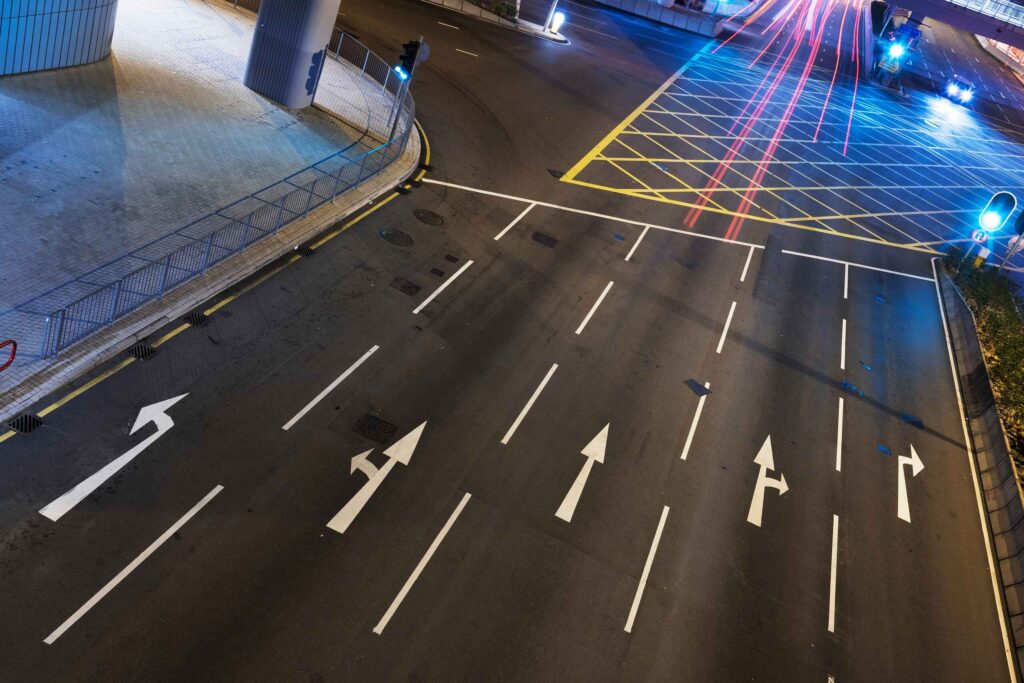
Key Takeaways
- Lane splitting is a legal riding practice in California, not an automatic admission of fault.
- Insurance companies frequently use lane splitting as a reason to dispute or reduce a claim.
- Fault is determined by looking at how the riding was actually done, not the mere fact that it occurred.
- California's pure comparative negligence system allows an injured rider to recover compensation even when the rider shares part of the responsibility.
Is Lane Splitting Legal in California?
California's lane-splitting law and how it works is set out in Vehicle Code Section 21658.1. Lane splitting occurs when a motorcyclist operates their vehicle between rows of stationary or moving traffic within the same lane boundaries. California law does not prohibit the practice, and the statute authorizes the California Highway Patrol to publish educational guidelines, which are safety guidance rather than enforceable rules.
A rider cannot simply point to the legality of lane splitting and conclude that the other driver caused the crash. Legal lane splitting and careful riding are separate issues.
Evidence that a motorcycle was traveling between lanes at an unsafe speed could support an argument that the rider contributed to the collision. Conversely, evidence that a driver changed lanes without checking for a nearby motorcycle could support fault against the driver.
How Fault Is Determined After a Bakersfield Lane-Splitting Accident
Fault after a lane-splitting crash is assigned by comparing what each party actually did, not by the fact that a motorcycle was between lanes. A lane splitting accident claim Bakersfield riders pursue may still succeed when another driver's negligence caused the collision. California follows pure comparative negligence, which simply means an injured rider can still recover money even when partly at fault, with the award reduced by the rider's own share of responsibility.
There is no percentage cutoff in California that bars a rider from recovering. Each party can be assigned a percentage of responsibility based on the evidence.
Consider a collision where a driver makes an unsafe lane change while a motorcycle is lane splitting. If the evidence shows the driver was 80% responsible and the rider was 20% responsible, the rider's recoverable damages could be reduced by 20%.
The percentages are not determined by whether the vehicle was a motorcycle or passenger car. They depend on the conduct that contributed to the crash. Reconstructing exactly what each driver did in the seconds before impact is often what determines how fault gets divided.
Lane splitting comes up most often in slow, congested traffic, which around Bakersfield means the State Route 99 corridor and arterials such as Rosedale Highway and Ming Avenue at commute hours. Those conditions shape how much room a rider had and how visible the motorcycle was to the drivers around it.
Investigators may examine whether the driver:
- Changed lanes without checking surrounding traffic
- Drifted across lane markings
- Opened a vehicle door into the motorcycle's path
- Accelerated or moved unpredictably
- Used a turn signal before changing lanes
- Had sufficient visibility of the motorcycle
The motorcycle fault lane splitting California rules turn on conduct, not on whether the rider happened to be traveling between lanes. On the rider's side, that means speed, position between vehicles, visibility, and whether there was time and space to respond to changing traffic.
What Evidence Matters in These Cases?
Lane-splitting collisions can turn into competing accounts of where the motorcycle was, how quickly it was traveling, and which vehicle moved first. Evidence that matters in Bakersfield motorcycle accident claims can help establish what actually occurred.
Useful evidence may include:
- Traffic or surveillance camera footage
- Motorcycle or vehicle damage
- Photographs of the crash scene
- Eyewitness statements
- Police reports
- Helmet-camera or dashcam footage
- Vehicle event-data information, when available
- Skid marks and other physical evidence
- Cellphone records when distracted driving is alleged
A Bakersfield lane splitting accident needs to be considered in context. The investigation should focus on vehicle positions, speeds, movements, visibility, and the sequence of events. Fault may ultimately be divided between the parties rather than assigned entirely to one person.
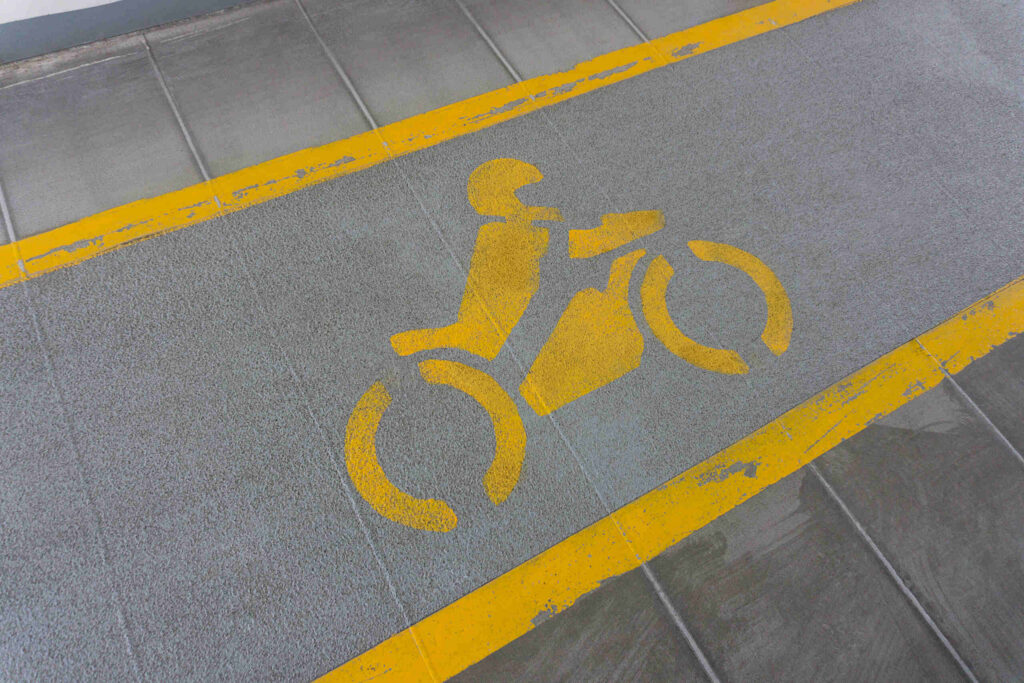
FAQs: Lane Splitting Motorcycle Accident Fault Bakersfield
Does a police report decide who is legally responsible?
A collision report can provide important evidence, but it does not determine liability on its own. A civil claim may involve additional evidence, including photographs, witness testimony, video, medical records, and accident reconstruction to help determine who is responsible.
What speed is considered safe for lane splitting?
California law does not set a numeric speed limit for lane splitting. The California Highway Patrol publishes educational safety guidance rather than enforceable rules, and that guidance encourages riders to keep their speed close to the speed of surrounding traffic. What matters in a claim is generally whether the riding was reasonable under the conditions at the time.
Should I speak with the insurance adjuster before contacting an attorney?
It is best to avoid giving a detailed statement about how the crash happened until you have spoken with a Bakersfield motorcycle accident lawyer, since early statements can be used to argue fault later. This is especially true in lane-splitting cases, where word choice can shape how the incident gets characterized.
What if the motorcycle rider was not wearing protective gear?
California requires every motorcycle driver and passenger to wear a safety helmet under Vehicle Code Section 27803, so riding without one is a separate issue from the question of who caused the crash. The absence of a helmet or other gear does not by itself establish who is responsible for the collision. It can become part of a dispute over damages, which is a different question from fault.
How long do I have to file a claim after a lane-splitting accident?
California generally gives an injured person two years following the injury to file a personal injury lawsuit, under Code of Civil Procedure Section 335.1. Different deadlines can apply in particular circumstances, including claims involving a government entity, which generally require a written claim within six months under Government Code Section 911.2. Waiting too long can also mean losing access to evidence that would have supported your version of events.
Talk With Us About Your Bakersfield Lane-Splitting Claim
If you were hurt in a lane-splitting accident in Bakersfield, the details of how the crash happened matter more than any assumption an insurer wants to make about lane splitting in general. At the Law Offices of Mickey Fine, Mickey Fine has spent more than 30 years handling these arguments, including years earlier in his career on the insurance defense side. He personally handles every case rather than passing it to an associate.
We can review the circumstances of the collision, the available evidence, and the arguments being made about fault before you decide how to proceed. Call us at (661) 333-3333 for a free, confidential consultation. There is no fee unless we recover compensation for you.