The light at the intersection of Ming Avenue and Ashe Road turns yellow. You slow to a stop, but the driver behind you doesn’t. In the jarring seconds that follow, a simple fender-bender turns into a complicated debate. “You stopped too suddenly!” they claim. “The light was still yellow!” you reply. When a car accident becomes a battle of conflicting stories, even an experienced car accident lawyer knows that proving what really happened often comes down to evidence, not opinions.
Increasingly, the clearest answer comes from a small, impartial witness on your dashboard. Having dashcam footage in your car accident case can cut through the noise, providing a factual record of the moments leading up to the crash.
Key Takeaways about How Dashcam Footage Can Strengthen Your Car Accident Case
- Dashcam footage serves as objective evidence, which can definitively establish another party's fault in a collision.
- This type of video can capture critical details of a crash, such as traffic signal colors, vehicle speeds, and the point of impact.
- The footage is often admissible in California courts, provided it was obtained legally and its placement complies with state vehicle codes.
- Video evidence can help prove the legal elements of negligence required to build a strong personal injury claim.
- Even if the footage captures actions by both drivers, it can be crucial in determining the percentages of fault under California's comparative negligence rule.
What Makes Dashcam Footage So Powerful in a Car Accident Case?
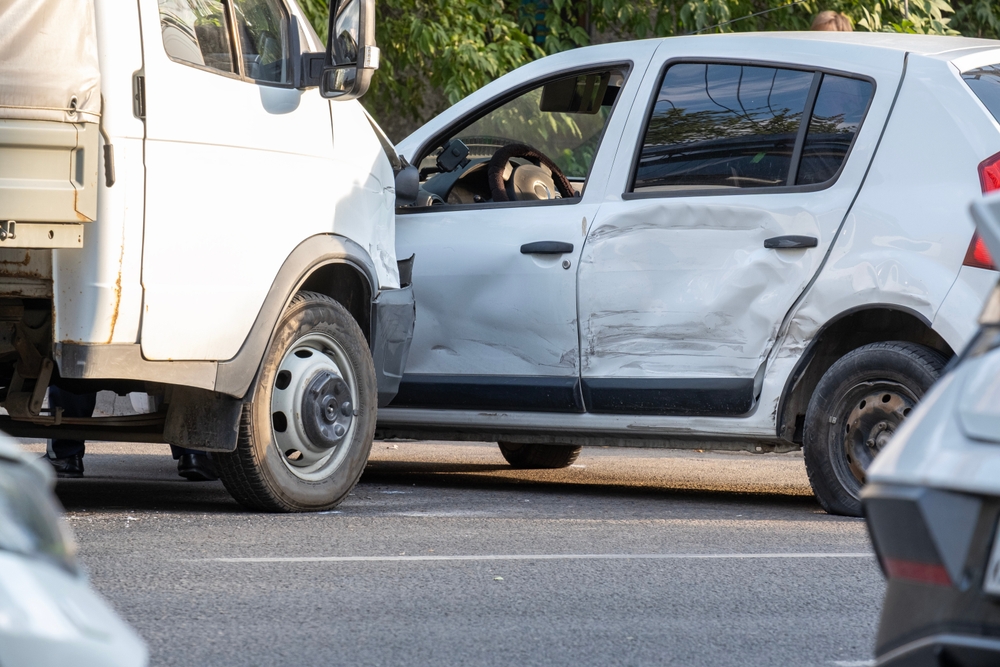
After a crash, insurance adjusters and legal teams are tasked with reconstructing the sequence of events to determine who was at fault. This process often relies on driver statements, witness testimony, and police reports. While helpful, these sources can be subjective or contain unintentional errors. Memories fade, perspectives differ, and people can make honest mistakes when recalling a traumatic event.
Dashcam footage eliminates much of this uncertainty. It provides a real-time, visual record that is not influenced by emotion or memory. This objective evidence can be the most compelling tool for demonstrating liability—a legal term for who is responsible for the accident.
A clear video recording can irrefutably show:
- Traffic Violations: The footage can prove another driver ran a red light at the intersection of Truxtun Avenue and Oak Street, failed to yield the right-of-way, or made an illegal U-turn.
- Reckless Driving: It can capture evidence of excessive speeding, aggressive tailgating, or dangerous lane changes on Highway 99.
- Distracted Driving: Sometimes, a camera can even show that the other driver was looking at their phone or was otherwise not paying attention to the road.
- The Chain of Events: The video establishes a clear timeline, showing exactly how the collision occurred and the actions of all involved parties leading up to the impact.
This kind of indisputable proof is incredibly effective in shutting down disputes from the other driver or their insurance company, allowing the focus to shift to securing fair compensation for your injuries and losses.
Establishing Liability with Your Dashcam Footage Car Accident Case
To succeed in a personal injury claim in California, you must prove that the other party was negligent. Negligence is a legal concept that means someone failed to act with reasonable care, and their failure caused you harm. Proving negligence requires establishing four key elements, and dashcam footage can provide powerful support for each one.
- Duty: Every driver in Bakersfield has a duty to operate their vehicle safely and follow traffic laws to avoid harming others. This duty is automatically assumed when someone gets behind the wheel.
- Breach: This element means the driver violated their duty of care. Your dashcam footage can provide direct proof of a breach, such as a video of the other driver texting, speeding, or ignoring a stop sign.
- Causation: You must show that the other driver's breach of duty directly caused the accident and your resulting injuries. The video can create a clear and undeniable link between the other driver’s unsafe action and the subsequent collision.
- Damages: Finally, you must demonstrate that you suffered actual harm, such as medical bills, lost wages, vehicle repair costs, and pain and suffering.
By capturing the breach and causation on camera, your dashcam footage can solidify the foundation of your car accident case, making it much more difficult for the at-fault party's insurance provider to deny responsibility.
Does California Law Address Dashcam Footage?
Many people wonder if the video they recorded is legally usable as evidence. In California, dashcam footage is generally admissible in court as long as it is relevant and properly authenticated, meaning you can prove where and when it was recorded.
A common concern involves California's laws on recording conversations, which typically require the consent of all parties. However, these laws are designed to protect the privacy of confidential communications. When a dashcam is recording a public view, like the roads of Kern County, there is no reasonable expectation of privacy. Therefore, video footage of an accident in a public space is usually permissible.
What California law does specifically address is the physical placement of the camera in your vehicle. To ensure the device does not obstruct the driver's view, California Vehicle Code 26708 dictates where a dashcam can be mounted.
According to the law, a dashcam is permitted in the following locations:
- In a seven-inch square in the lower corner of the windshield farthest removed from the driver.
- In a five-inch square in the lower corner of the windshield nearest to the driver.
- In a five-inch square mounted to the upper-most portion of the interior of the windshield.
Following these placement rules helps confirm that your device is legally mounted, preventing any challenges to the admissibility of your footage on a technicality.
What if the Other Driver's Dashcam Has the Footage?
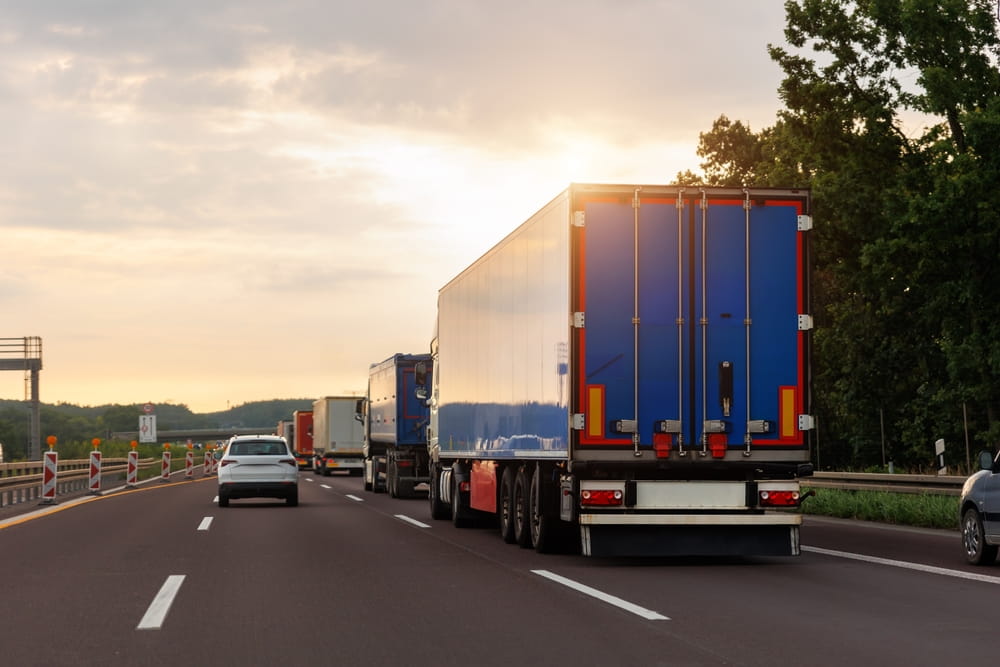
Sometimes, you may not have a dashcam, but you believe the other driver does. You might worry they will hide or delete the footage if it proves they were at fault. Fortunately, the legal process has methods for addressing this. Your car accident attorney can send a formal "preservation of evidence" letter to the other driver and their insurance company. This letter legally demands that they not destroy, alter, or delete any evidence related to the accident, including dashcam recordings.
If a lawsuit is filed, that footage can then be formally requested during the discovery phase—the part of a legal case where both sides exchange information and evidence. If the other party refuses to produce the video or claims it was "accidentally" deleted after receiving a preservation letter, they could face serious legal penalties for what is known as spoliation of evidence. A court might instruct the jury to assume the destroyed evidence would have been unfavorable to the party who destroyed it.
Can Dashcam Footage Ever Hurt Your Case?
It's important to be honest about the fact that dashcam footage is an impartial witness, and it records your actions as well as those of other drivers. If the video shows that you were also contributing to the cause of the accident—for example, by driving slightly over the speed limit or changing lanes without signaling—the other side can use it to argue that you were partially at fault.
This is where California's "pure comparative negligence" rule comes into play. This rule, you can still recover damages even if you are partially responsible for the accident. However, your total compensation will be reduced by your percentage of fault. For example, if you are found to be 10% at fault for the crash, your final award would be reduced by 10%.
Because the footage can reveal details you may not have realized were significant, it is always a good idea to have a personal injury attorney review your dashcam video before you share it with anyone, especially the other driver’s insurance company. An attorney can help you understand the context of the video and prepare for any arguments the other side might make.
FAQs for Dashcam Footage in Car Accident Cases
Here are answers to some common questions about using dashcam footage in a personal injury claim.
How long should I keep dashcam footage after an accident?
You should save the footage from your accident indefinitely. Do not delete it or record over it. Make multiple backup copies and store them in a safe place, such as on a cloud service or an external hard drive, to prevent accidental loss.
What if the dashcam didn't capture the actual crash, just the moments before or after?
Even footage from before or after the collision can be extremely useful. Video from before the crash might show the other vehicle driving erratically. Footage from after the crash can capture the position of the vehicles, the damage sustained, and even statements made by the other driver or witnesses at the scene.
Can I get dashcam footage from a nearby business or a city bus?
Yes, it's possible. An attorney can help by formally requesting video from sources like storefront security cameras, traffic cameras, or even public transit vehicles that may have been in the area. Acting quickly is key, as many systems automatically delete recordings after a short period.
Does dashcam footage replace the need for a police report or photos?
No, it does not. Dashcam footage is one powerful piece of evidence, but it should be part of a larger collection. A police report provides an official record, photos document vehicle damage and injuries from different angles, and witness statements offer additional perspectives. All these pieces work together to build the strongest possible case.
What features should I look for in a good dashcam?
When choosing a dashcam, look for high-resolution video (1080p or higher) for clarity, a wide-angle lens to capture more of the road, and good low-light performance for nighttime driving. Features like GPS logging (to record speed and location) and a G-sensor (to automatically save footage upon impact) are also very valuable.
Is it OK to post my dashcam accident video on social media?
While it might be tempting to share compelling footage online, it is generally not advisable to post your accident video on social media platforms. Once the video is public, you lose control over how it is used or interpreted. The other party's insurance company and legal team can use the video, as well as any comments you or others make, to try to build a case against you. It is always best to keep evidence private and share it only with your attorney, who can use it strategically to support your claim.
The other driver's insurance adjuster asked for a copy of my dashcam video. Should I send it to them?
You should be very cautious before sending any evidence, including dashcam footage, directly to the at-fault driver's insurance company. The adjuster's primary goal is to protect their company's financial interests, which often means finding ways to minimize or deny your claim. They may try to analyze the footage to find any reason to place partial blame on you. It is better to have your own attorney review the footage first. Your lawyer can then present the evidence to the insurance company in the proper context as part of a comprehensive demand for compensation.
A Bakersfield Attorney Can Help You Make Sense of Your Evidence

If you have been injured in a car accident in Kern County, the evidence you have can make all the difference in your recovery. Dashcam footage is a powerful tool, but understanding how to use it effectively within the legal system requires experience. You need an advocate who can analyze the footage, anticipate the insurance company's arguments, and build a compelling case on your behalf.
At the Law Offices of Mickey Fine, we are committed to helping injured people in Bakersfield get the resources they need to heal and move forward. For over 30 years, Mickey Fine has been fighting for the rights of accident clients, holding negligent parties accountable for the harm they cause. We invite you to contact us for a free, no-obligation consultation to discuss your case and review your dashcam footage. We work on a contingency fee basis, which means you pay no fees unless we win your case.